



Welcome to My Portfolio 👋
¡Buenas! I'm Fernando Soto—a Full-Stack Software Engineer based in Chicago with a B.S. in Computer Science & Mathematics from Dominican University, rooted in my Mexican heritage.
I build efficient, scalable solutions across C#, React, SQL, Python, and more—from web apps to automation tools, always focused on impactful results.
Before 2024, I had zero athletic background. That year became something else entirely—a simple cycling century quickly spiraled into pushing limits I didn't know I had.
I tend to go further than planned. A century became 400 miles. An Everest became a ROAM. A first ultra-endurance race became a chase for 2nd place. In a world where finishing feels like enough, I keep asking what's next—and that's what I bring to engineering.
Accomplishments
In the short time I've been in the world of ultra-endurance, I've accomplished a lot. Below is a hand-picked selection of my proudest moments!
Mishigami 2026
Round two of Mishigami—and this one hurt. I faced unexpected challenges and pushed through more physical pain than last year, but refused to quit. I fought my way to a podium finish against a stacked field of ultra-endurance riders.
Spartan Trifecta
spartanA friend introduced me to Spartan races and offered to help me learn the obstacles. I signed up for the Trifecta—all three races in one weekend—before practicing a single one. He couldn't make it. I went anyway. Two days, three races, every obstacle cold. My feet had never experienced anything like it—but I finished. Five medals in one weekend. Five times my entire cycling collection. 😅
Mishigami 2025
My first ever race—and my first time seeing a real hill. Fought from the back of the pack all the way to 2nd place, on 2 hours of sleep, in a city that had never once prepared me for actual elevation.
After speedrunning the Strava run milestones, only one challenge remained: an ultramarathon. To mark it, I crafted a GPS run art route as a birthday tribute to a friend ahead of one of his toughest Spartan Races.
Marathon
runningSpeed-ran Strava's cycling milestones, then tackled the two remaining: a marathon and an ultra. Not a runner—but proved it anyway.
Everest ROAM
cyclingAn Everest—but harder. More elevation, more distance, stricter time limit. Over 1,150 hill repeats on the same bridge I completed my first Everest!
24-hr quad-state ride
cyclingBuilt up distance across the year: 100 → 150 → 200 → 250 miles, then pushed to the self-supported upper limit. Crossed Michigan, Illinois, Indiana, and Wisconsin in 24 hours.
Climbed the elevation equivalent of Mount Everest on a local Chicago hill (bridge 😅)—no sleep between attempts.
First American Century
cyclingAfter a bicycle accident that left me with a broken wrist, broken thumbs, and chipped teeth, I came back with one goal: 100 miles. Built up 30 → 40 → 60 mi, skipped 80, and ripped the bandaid.
Blogs
I write race recaps and endurance stories. Start with the latest posts, or browse the full blog archive.
What's Next
Skills
Experience
- Optimized high-throughput API workflows through profiling, SQL tuning, and business-logic refactors, improving performance by 7.5x and reducing query volume by 8x while supporting 3,000 req/s.
- Designed and enhanced bulk Time Entry and Pay Type APIs across versioned endpoints, supporting complex modifiers, duration-based workflows, and validation-heavy edge cases.
- Identified a misconfiguration gap that would have broken millions of users before shipping—flagged the need to query affected users first, preventing a high-impact regression.
- Resolved critical production and release-blocking issues including a cost center validation bug praised by management, audit trail gaps, payroll modifier logic, and logging failures—improving reliability for downstream consumers.
- Improved API usability through error formatting improvements on bulk endpoints, stronger validation logic, refined error messaging, and expanded Swagger documentation—reducing support overhead from partner teams.
- Increased platform reliability by migrating CI pipelines to dedicated build pools and completing .NET upgrades for internal services.
- Built and expanded automated test coverage for a core product suite used by ~22.5% of the user base, improving regression confidence and release stability.
- Migrated end-to-end testing from Selenium to Cypress (TypeScript), reducing test flakiness and accelerating test development velocity.
- Established a unit test pattern for framework middleware, creating a repeatable standard adopted by the team and added to the definition of done for new and updated functionality.
- Identified and resolved a browser-specific defect impacting 18% of users, restoring functionality for international customers.
- Created the TimeEntriesV2 OPTIONS endpoint and documented all restriction codes in Swagger, making a complex endpoint significantly easier to consume and reducing code review overhead.
- Proposed and drove adoption of a repeatable API documentation pattern—a filter table clarifying field definitions and operations—standardizing how the team documents endpoints.
- Implemented application tracking using Google Analytics to enable data-driven insights into user behavior and feature usage.
- Diagnosed and resolved two critical performance-related bugs, improving page load times by 15%.
- Collaborated with senior engineers to analyze stored procedure usage and support a broader database deprecation and modernization effort.
Projects
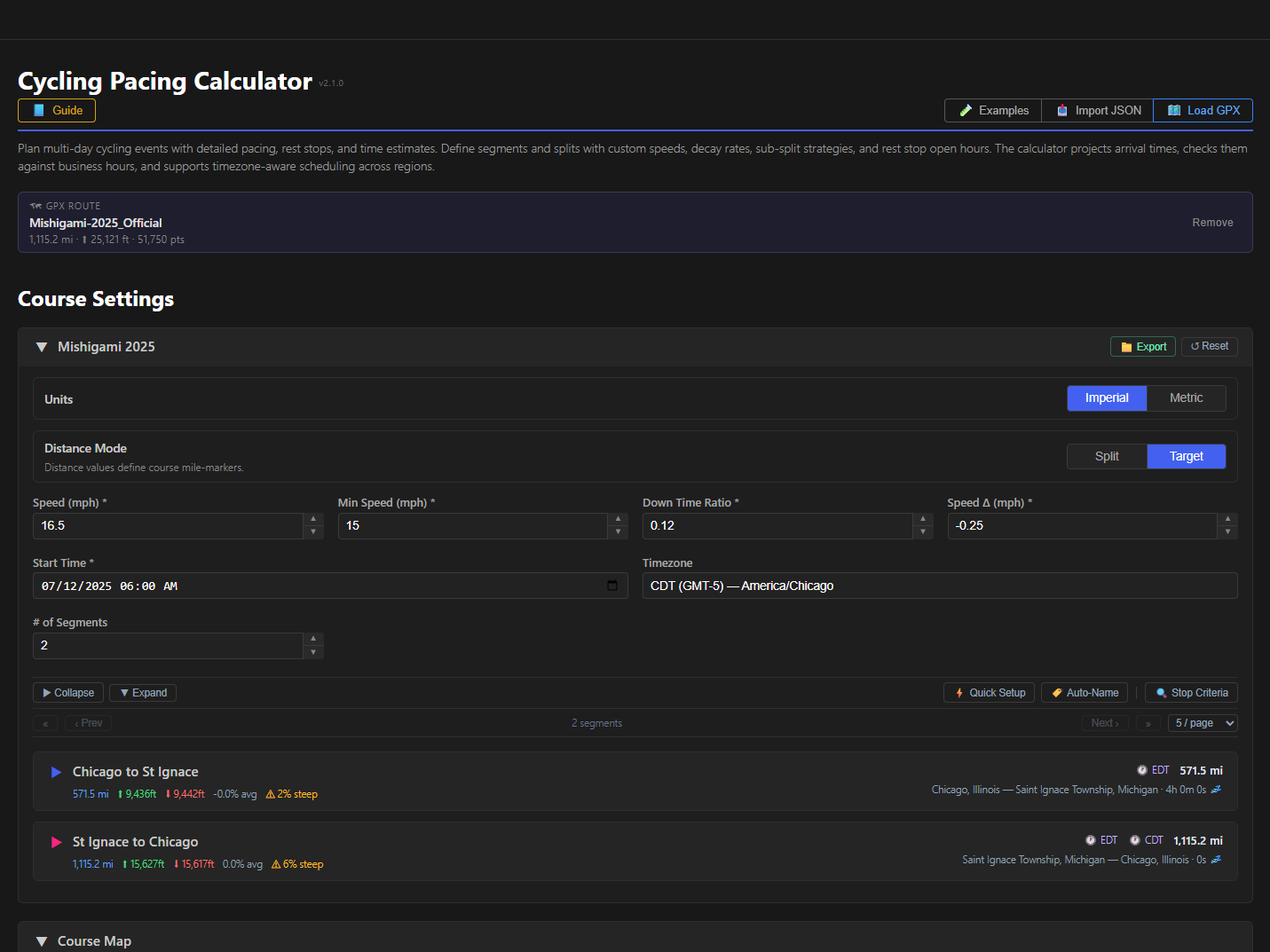
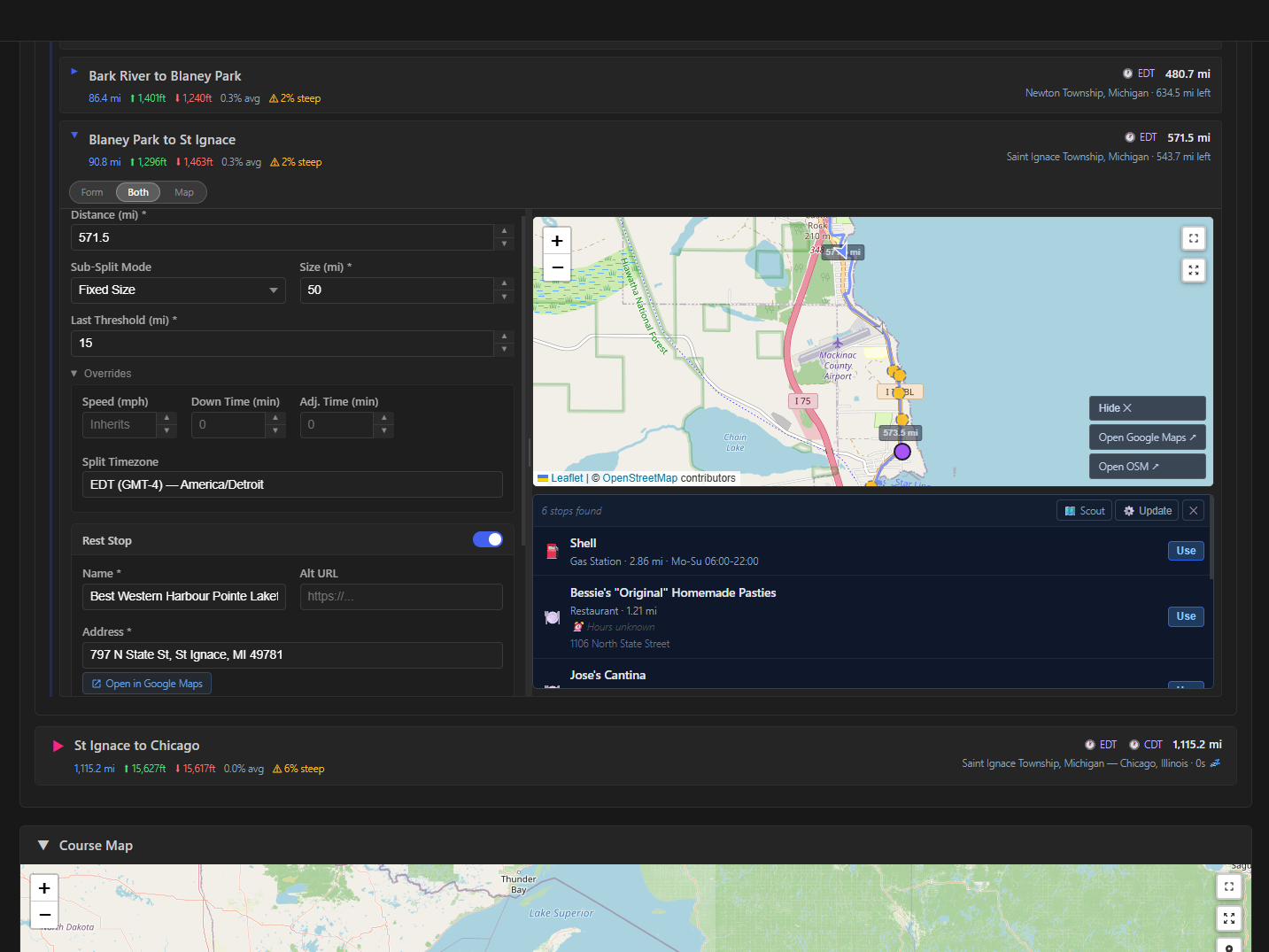
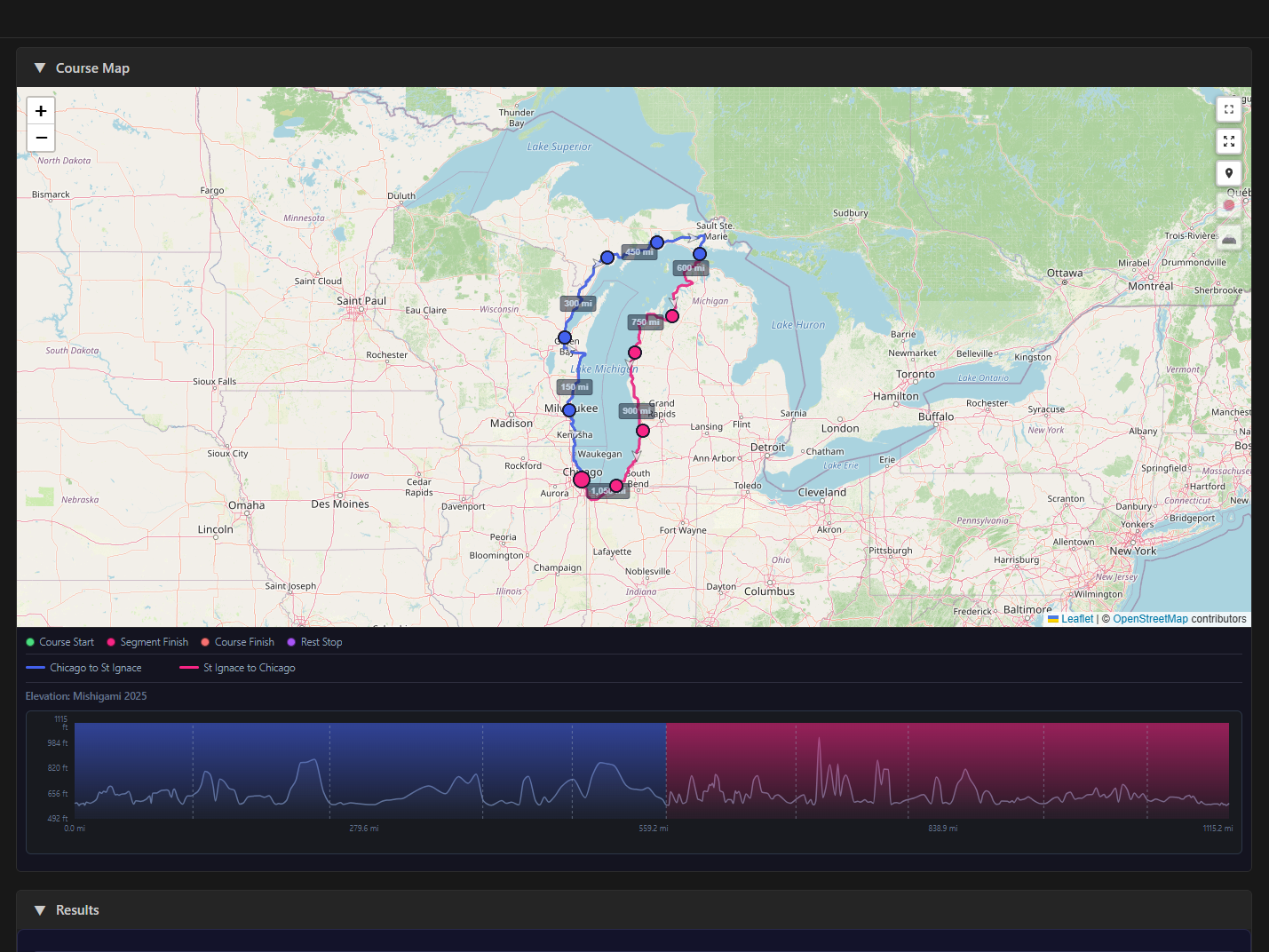
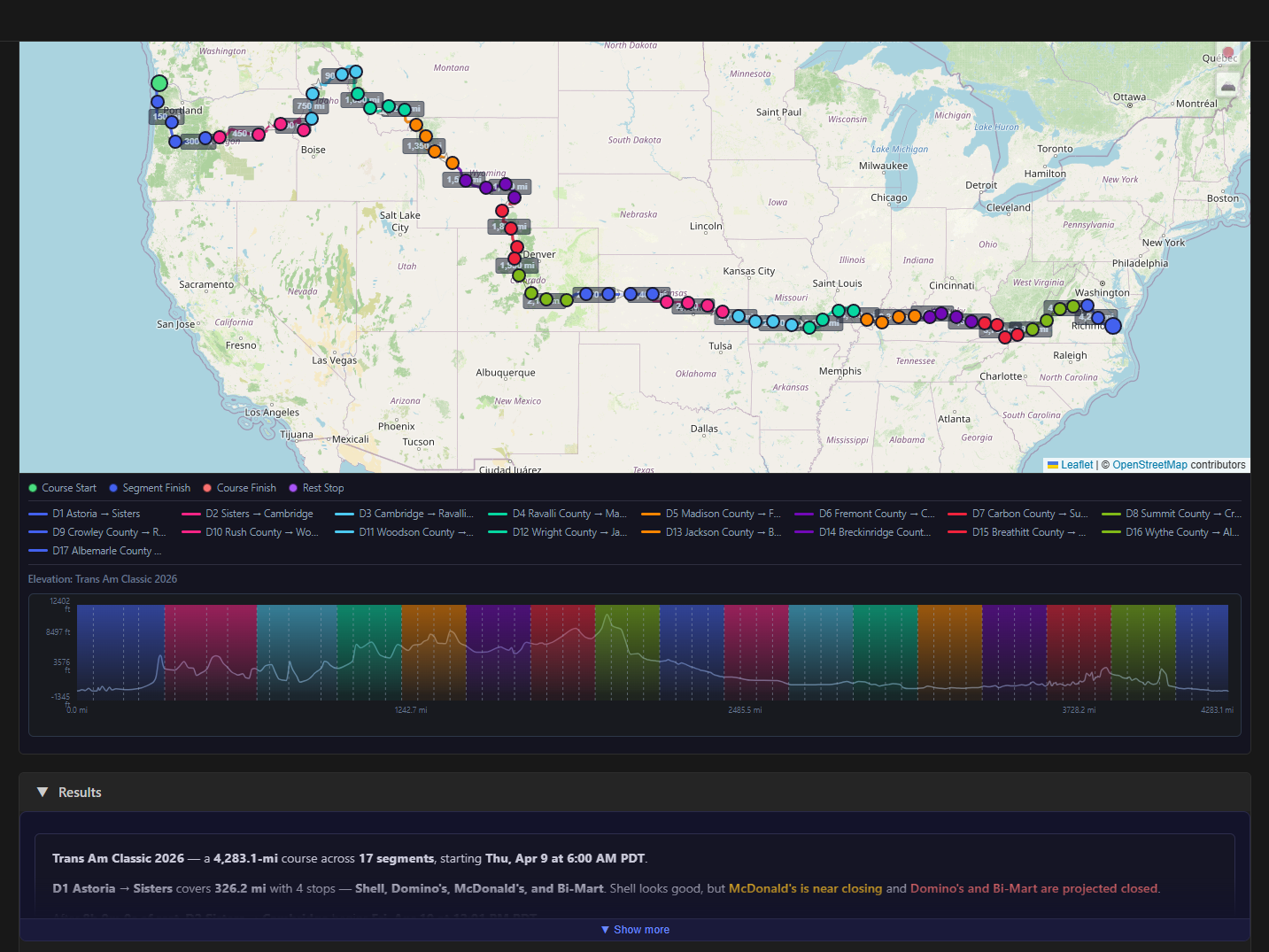
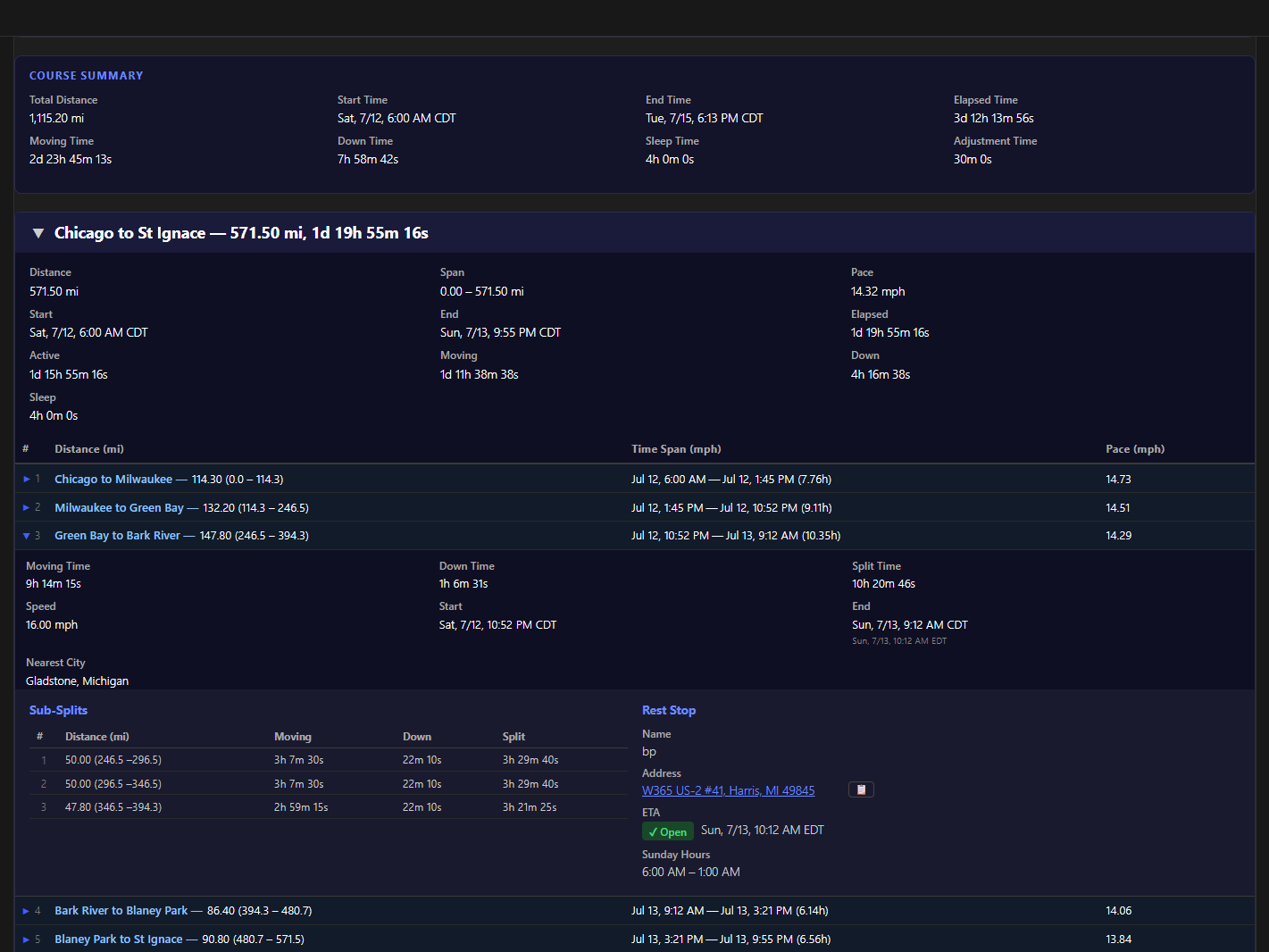
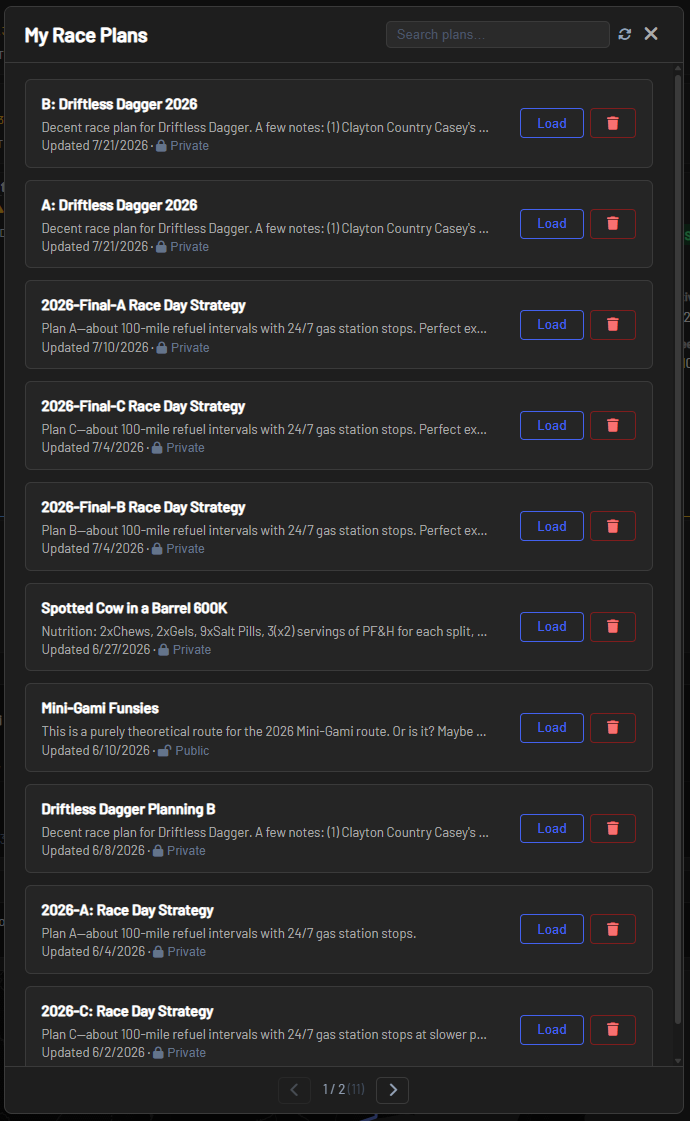
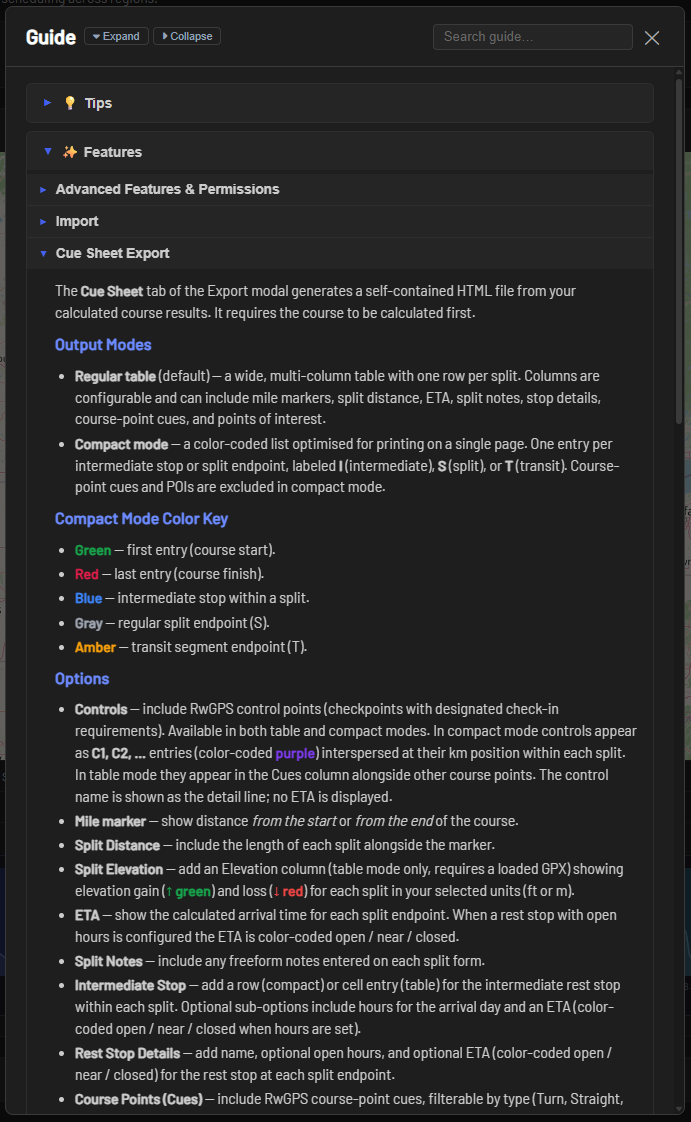
A fully offline React/TypeScript planning tool with a Dockerized FastAPI service for modeling multi-day ultra-endurance cycling strategies. GPX analysis, terrain metrics, pacing, and map rendering run entirely in-browser with no backend required. Built to plan my Mishigami 2025 race, where I finished 2nd overall as the first and only Illinoisan to complete the course in under four days—a distinction no other Illinoisan has matched in the past four years.
- Engineered a GPX processing pipeline that decimates tracks of 100k+ points to a configurable render resolution, then dynamically re-samples at higher fidelity on zoom—avoiding aliasing artifacts at high magnification while keeping the DOM lean enough to render full-course data entirely client-side.
- Computed per-split terrain metrics (elevation gain/loss, average grade, steep-distance percentage) directly from raw GPS coordinates, providing actionable data for race planning that contributed to a 2nd-place finish at the Mishigami Challenge—the first and only sub-four-day finish by an Illinoisan.
- Built a fully offline-capable persistence layer using localStorage for form state and IndexedDB for raw GPX binaries, with cross-session hydration that merges saved state with current defaults to remain forward-compatible as the application evolves.
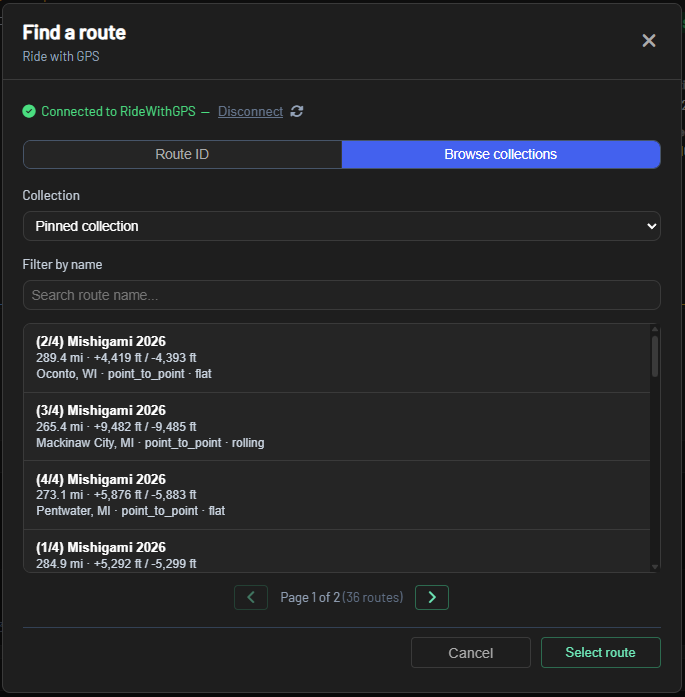
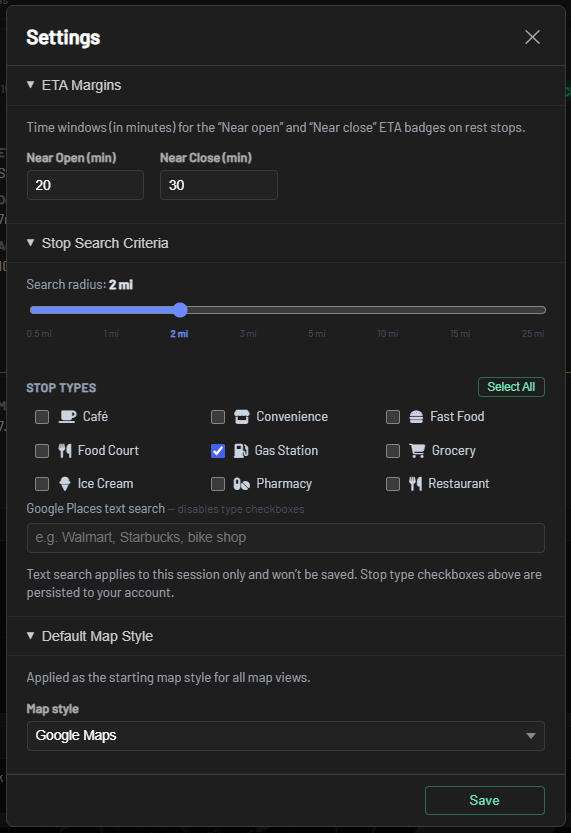
- Integrated multiple third-party mapping and location APIs (OpenStreetMap Overpass/Nominatim, Google Places/Maps/Geocoding) with configurable caching, request debouncing, and provider failover to improve reliability, respect rate limits, and deliver richer route planning features—including nearby amenity searches, reverse geocoding, enhanced map visualization, and GPX route searches via polyline encoding.
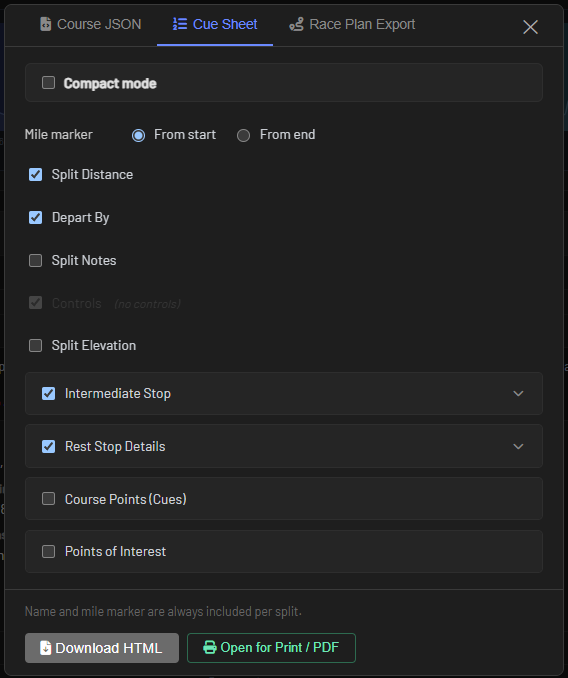
- Built an extensible integration and authentication layer supporting RideWithGPS, Supabase/Google OAuth, weather services, and other third-party APIs, with feature gating for both serverless and authenticated cloud-enabled modes. Added saved and shareable race plans, settings synchronization, and JSON import/export.
-
Built a React context signal pattern using a
{ segIdx, splitIdx, rev }state object with a monotonic revision field to guarantee cross-component event re-firing—even when target indices remain unchanged. This unified map pin navigation, auto-pagination, and scroll-to-expand form interactions under a single state pattern.
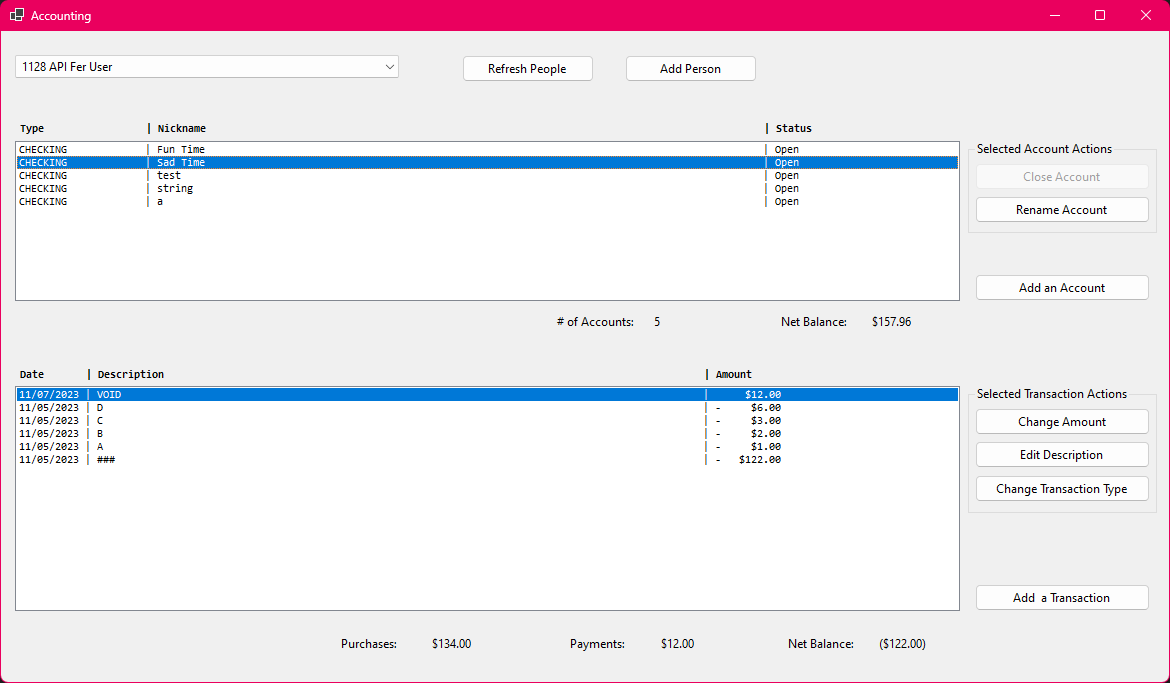
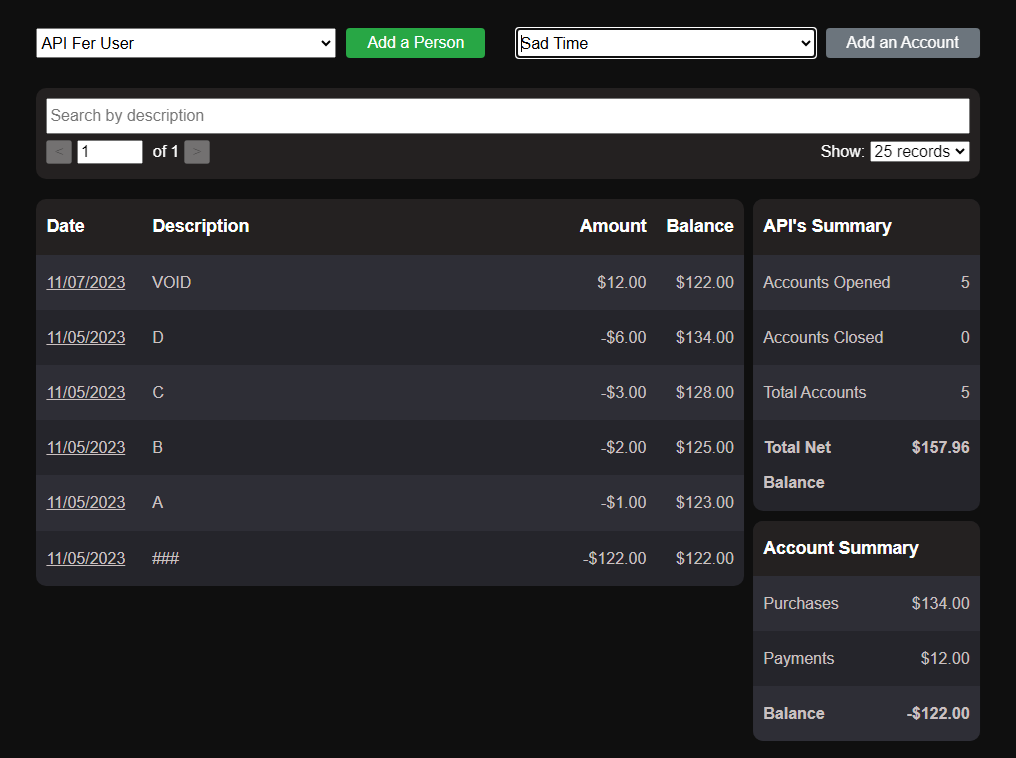
A full-stack financial system that evolved from a database-driven tool into an API-first architecture with a modern web client, built for real-world daily use.
- Engineered a full-stack application, transitioning from a Windows Forms client to a decoupled React frontend backed by a RESTful API.
- Designed a normalized SQL database with stored procedures and triggers to enforce data integrity and automate financial transaction workflows.
- Developed a RESTful API in C# using service layer and DAO patterns, enabling scalable and maintainable business logic.
- Implemented a responsive React UI with pagination, validation, and error handling to improve usability and accessibility.
- Continuously iterated on the system through real-world usage, shaping features around practical lending scenarios and financial tracking needs.
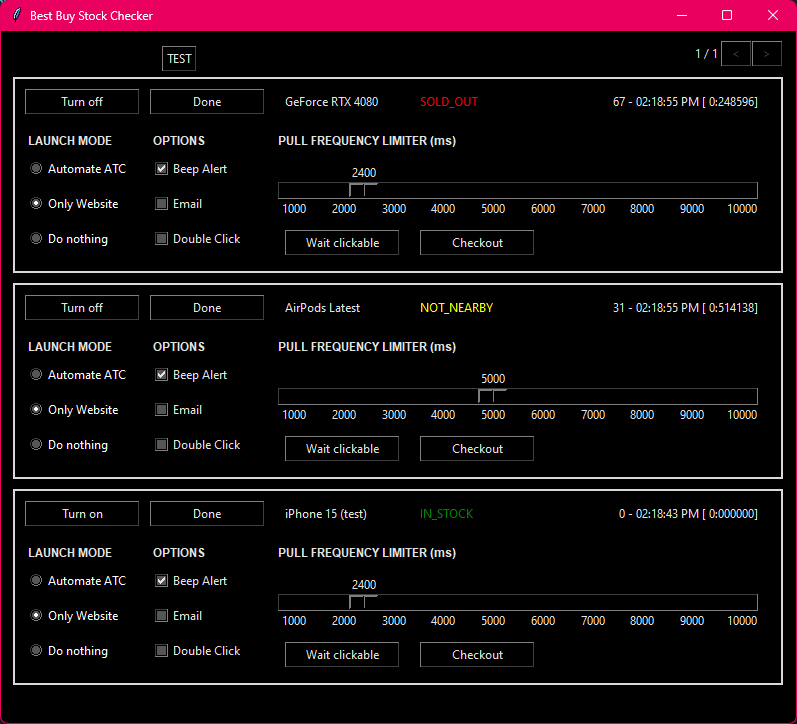
Built during the GPU shortage to track Best Buy inventory and automate purchase readiness, navigating real-world bot detection and high-demand stock drops.
- Developed a Python Tkinter application to monitor item stock in near real-time with a lightweight, configurable desktop interface.
- Implemented resilient web scraping logic to handle bot-detection mechanisms, enabling reliable tracking during high-traffic product drops.
- Designed a flexible polling system with configurable intervals and launch modes for continuous or targeted monitoring.
- Integrated multi-channel notifications ranging from audio alerts to push notifications, enabling rapid response to stock availability.
- Validated the tool in a real-world scenario by successfully securing a GPU during a live Best Buy drop under highly constrained conditions.